Behind the Stream: The Surprising Ways Twitch Creators Actually Pay Their Rent
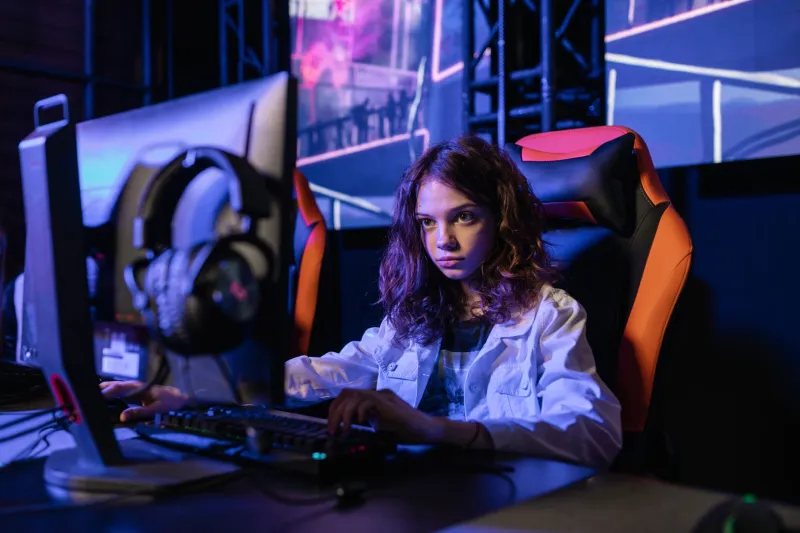
Here's a story you've probably told yourself: a streamer sits down, presses "Go Live," plays video games for four hours, and the money just kind of... flows in. Bits rain from the sky. Subscriptions auto-renew. A guy named XxDarkLord99xX donates $100 because he wants his name read on air. The streamer says thank you, everyone claps, and somehow rent gets paid.
That story is not entirely false. It is, however, missing about 80% of the actual picture.
The real Twitch economy is stranger, more precarious, and way more creative than the highlight reel suggests. We dug in — and talked to several mid-tier creators who were refreshingly honest about how the math actually works.
The Subs-and-Bits Model: Necessary But Not Sufficient
Let's start with the obvious stuff, because it does exist and it does matter. Twitch subscriptions run at $4.99, $9.99, or $24.99 per month, and Twitch takes a cut — historically 50%, though some top-tier partners have negotiated better splits. For a streamer with 500 subscribers at the base tier, that's roughly $1,250 a month before taxes. In most American cities, that's not rent. That's part of rent.
Bits — Twitch's virtual currency that viewers use to cheer — add some on top. So do one-time donations through third-party platforms like Streamlabs. But anyone who's done the math knows that for the vast majority of streamers, this baseline revenue alone won't keep the lights on.
"My subs cover my streaming setup costs and maybe groceries," said one mid-tier variety streamer based in the Midwest who averages around 300 concurrent viewers. "The actual income comes from everywhere else."
So where does "everywhere else" actually point?
The Brand Deal Ecosystem (It Goes Deeper Than You Think)
Brand deals are the open secret of streaming income, but the public perception of them is weirdly narrow. Most people picture a streamer drinking a branded energy drink on camera or doing a 30-second "and now a word from our sponsor" segment. Those deals exist. They're also just the tip of the iceberg.
The less visible layer involves affiliate marketing links — unique URLs that track purchases back to a specific creator. A streamer recommends a gaming chair, a headset, a VPN service, a meal kit delivery app. You click their link. You buy something. They get a percentage. You might not even notice the link was there.
Amazon's affiliate program is particularly ubiquitous. Streamers who link their Amazon wishlists (a common practice) and have their Amazon affiliate code embedded in their channel panels can generate passive income every time a viewer buys anything through that link within 24 hours — not just the item they clicked on originally. It's quiet, it's constant, and it adds up.
"I make more from Amazon affiliate income than I do from Twitch subs," said one gaming streamer who focuses on RPGs and has about 8,000 followers. "And I don't even actively push it. It's just there."
Then there are the mid-tier brand deals that never get announced on stream at all — sponsored Discord server integrations, paid social media posts, brand appearances at gaming events. The creator economy has quietly built an entire shadow layer of income that doesn't show up in any stream VOD.
Merchandise: Harder Than It Looks, More Important Than You'd Guess
Merch is another piece of the puzzle that gets underestimated. Not because every streamer is moving thousands of hoodies — most aren't — but because even modest merch sales carry psychological and financial weight that's disproportionate to the volume.
A streamer who sells 50 shirts at $30 each has made $1,500, minus production costs. That's not life-changing. But those 50 people are now walking advertisements. They're also, statistically, among the most loyal members of that streamer's community — the kind of viewers who show up consistently, who recruit friends, who buy the next thing.
Merch is less a revenue stream and more a community loyalty detector. The people who buy it are telling you something about their investment in your brand, and smart streamers treat that signal accordingly.
The Coaching and Content Consulting Angle
This one surprises people. A meaningful number of mid-tier streamers — particularly those in competitive gaming niches — generate significant income through one-on-one coaching sessions, VOD reviews, and personalized strategy sessions for viewers who want to improve.
A streamer who's genuinely skilled at Valorant, Apex Legends, or any other competitive title can charge $50 to $150 an hour for coaching. Do five sessions a week and you've added $1,000 to $3,000 in monthly income that has nothing to do with Twitch's platform economics at all.
Some creators have taken this further, building Patreon tiers or private Discord communities with paid access — essentially a subscription layer that exists completely outside of Twitch, where they offer exclusive content, early access, coaching, or just a closer community experience. Twitch gets zero cut of this. It's one of the industry's worst-kept secrets.
The Parasocial Economy: Where It Gets Complicated
Here's the part nobody loves talking about. A significant portion of streaming income is powered by something that doesn't have a clean name — call it parasocial monetization, call it community loyalty, call it whatever you want. The point is that viewers who feel a genuine emotional connection to a streamer spend more money, more consistently, than viewers who don't.
This isn't manipulation in most cases. Streamers build real relationships with their regular viewers. The chat community becomes a social space. People feel seen, heard, and part of something. And then, because they feel that way, they subscribe, they donate, they buy the merch, they click the affiliate links.
The financial architecture of Twitch is built on human connection. Which is either beautiful or unsettling depending on the day you're having.
"I think about my community a lot," said one lifestyle and gaming hybrid streamer with around 15,000 followers. "I genuinely care about these people. And I'm also aware that the caring is part of what makes the business work. Those two things are both true at the same time."
So What Does the Math Actually Look Like?
For a mid-tier streamer with 300 to 1,000 concurrent viewers, a realistic monthly income breakdown might look something like this:
- Twitch subscriptions: $800–$2,500
- Bits and direct donations: $200–$600
- Brand deals and sponsorships: $500–$3,000
- Affiliate income (Amazon, etc.): $100–$800
- Merch: $200–$1,000
- Off-platform subscriptions (Patreon, etc.): $300–$2,000
- Coaching or consulting: $0–$3,000
The range is enormous because the variables are enormous. Niche matters. Personality matters. Consistency matters. The ability to negotiate brand deals matters a lot.
What the numbers make clear is that no single revenue stream is sufficient. The streamers who are actually making a living are running multiple income lines simultaneously, constantly, while also streaming four to six days a week and engaging with their community on Twitter, TikTok, YouTube, and Discord.
It's not a job. It's five jobs that happen to look like one from the outside.
Next time you tune in and watch someone play games for four hours, maybe drop a follow. They've earned it in ways you can't entirely see.