Sponsored by Everything: How Your Favorite Gaming Streamers Became Walking Billboards (And Why We Keep Watching)

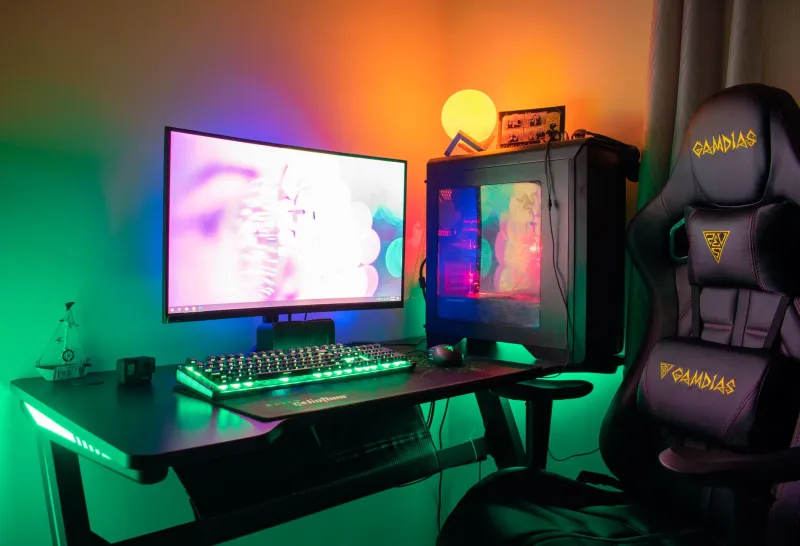
Let's paint a picture. It's Tuesday night. You're watching your favorite streamer rage-quit a From Software game for the fourteenth time, and it's hilarious. Then, mid-death, they pivot. The energy shifts. The voice gets a little smoother, a little warmer. "Hey guys, before we jump back in, I just want to talk about today's sponsor—" and suddenly you're getting a sixty-second dissertation on a VPN service, a gaming chair, or a snack subscription box that promises to "fuel your grind."
You skip forward twenty seconds. They're already back to dying. And somehow, none of it felt weird.
Welcome to the modern streaming economy, where entertainment and advertising have merged so completely that even the people doing it can't always tell where one ends and the other begins.
The Money Is Very Real (And Very Big)
Sponsorship revenue in the creator economy isn't a side hustle — it's the whole hustle. According to influencer marketing analytics firm Influencer Marketing Hub, the industry as a whole is projected to exceed $24 billion globally in 2024. Gaming creators specifically sit at the sweet spot of this gold rush: their audiences are young, engaged, and — crucially — tend to trust them more than they trust traditional advertising.
That trust is the product being sold.
When a mid-tier Twitch streamer with 50,000 followers drops a promo code, they're not just mentioning a product. They're lending the entire emotional relationship they've built with their audience to a brand that paid for the privilege. The going rate for that kind of reach? Anywhere from a few hundred dollars to tens of thousands per integration, depending on audience size, engagement rates, and whether the streamer is willing to do a "dedicated" video versus a quick mention.
"The math is just undeniable," one mid-level gaming content creator told us, asking to remain anonymous because — and this is extremely telling — their current sponsor contracts include clauses about public statements. "If I can make more from one sponsor segment than from three months of ad revenue, it's not really a choice. It's survival."
The Disclosure Situation Is... Complicated
Here's where things get genuinely murky. The FTC has clear guidelines: if you're paid to promote something, you have to say so. Clearly. Not buried in the description. Not in hashtags that require a magnifying glass. Out loud, on camera, in plain English.
And yet.
Scroll through almost any major gaming channel's recent uploads and you'll find a patchwork of compliance that ranges from totally transparent to aggressively vague. "This video is brought to you by..." is the gold standard. But plenty of integrations exist in a grayer zone — a streamer who "just happens" to be using a specific peripheral, a casual mention of a game they're "really into lately" that coincidentally just launched, a merch drop that somehow never gets labeled as a financial product even though the creator earns a cut of every sale.
The audience rarely knows the difference. And honestly? The audience often doesn't care — until they do.
"I felt genuinely stupid," one viewer from Ohio told us about discovering that a streamer they'd followed for years had been in an undisclosed partnership with a gaming peripheral brand. "I bought the headset because I thought they actually liked it. Turns out they'd been paid for six months of content. It wasn't illegal, exactly, but it felt like a betrayal."
The Creator's Side of the Story
It would be easy to paint streamers as cynical sellouts, but the reality is considerably more uncomfortable than that — for everyone involved.
Creating content is a job. An expensive, time-consuming, emotionally exhausting job that the platforms themselves are increasingly bad at compensating fairly. Twitch's ad revenue splits have been a source of ongoing controversy. YouTube's monetization thresholds lock out smaller creators. The economics of making gaming content in 2024 essentially mandate sponsorships if you want to do it full-time.
"I didn't get into this to be a marketing channel," another creator told us. "But I also have rent. And my audience doesn't pay my rent. My sponsors do."
The pressure to monetize extends beyond simple sponsorships into territory that gets genuinely uncomfortable: affiliate codes, merch lines, Patreons with exclusive content tiers, "creator funds" from platforms, and increasingly, branded games and sponsored tournaments where the entertainment itself is the advertisement.
Some creators have started pushing back. A small but growing cohort of streamers are publicly refusing certain categories of sponsors — particularly gambling sites and predatory mobile games — and being vocal about it. It's a principled stance that also, not coincidentally, plays extremely well with audiences who are increasingly savvy about this stuff.
We're Complicit, And That's Okay (Kind Of)
Here's the part nobody wants to say out loud: we built this system.
We demanded free content. We installed ad blockers. We skipped pre-rolls. We refused to pay for things we could get for free. And then we got parasocially attached to creators who needed to make money somehow, and we acted surprised when they found a way to do it.
The influencer code economy — those "use code STREAMER for 10% off" moments — is actually one of the more honest versions of this arrangement. It's trackable, attributable, and at least nominally disclosed. The creator gets a cut. The brand gets customers. You get a discount. Everyone wins, sort of, as long as you remember that the recommendation you're acting on was financially incentivized.
The question isn't really whether streaming culture has become commercialized. That ship has sailed, sunk, and been made into a branded collectible. The question is whether the entertainment is still worth it — and for most viewers, apparently, the answer is yes.
Because Tuesday night, you're going to watch that streamer die to the same boss again. The sponsor segment will play. You'll skip forward twenty seconds.
And it'll still be kind of great.
At Aleloo, we believe in transparency — which is why we'll always tell you when something's a sponsored post. (This one isn't. We're just genuinely this worked up about it.)